Backup Power Systems: The Dependable Answer for Continuous Electricity
Automatic generators provide crucial protection when the power goes out. The generators work flawlessly, starting up immediately of an outage. Fueled by various energy sources, they make certain operations continue during emergencies. However, knowing their advantages and specifications is vital for achieving the right conclusion. Which points should be addressed prior to purchasing such a system? The following sections will explore these crucial elements.
Understanding Standby Generators: The Functionality
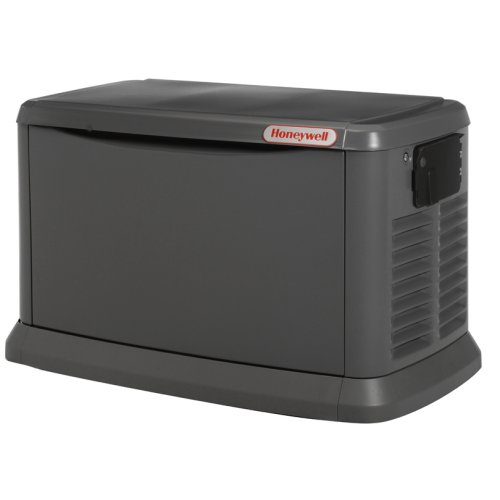
Backup generators are critical units that provide automatic backup power when the grid fails. These units are usually placed outside a home or building, wired into the power grid and running on gas, propane, or diesel. When a power interruption occurs, a standby generator detects the loss of electricity and activates within seconds. This mechanism requires an ATS (Automatic Transfer Switch), which separates the building from the main supply and connects it to the generator
(Portland Standby Generators)The system starts creating electricity, feeding electricity to vital loads or the whole building, depending on its capacity. Typically, these generators have an integrated surveillance feature that guarantees proper functioning and maintenance. These units run for long durations, providing a reliable power source until utility power is restored. Knowing the operation of these systems allows residents to recognize their value in enhancing energy security and reducing interruptions during unexpected outages
Advantages of Owning a Backup System
Dependability is a major benefit of utilizing this type of generator, since it ensures continuous electricity during outages. This crucial capability ensures continuous operation for properties, safeguarding important possessions and maintaining comfort. Additionally, standby generators enhance safety through the avoidance of electricity loss that might cause dangerous conditions, such as burst plumbing or non-functional medical devices.
Value for money is a further advantage; while the primary expenditure may be high, the long-term savings from minimizing spoilage, disrupted workflow, and unexpected fixes can be substantial. Moreover, these generators boost the home's worth, making them an appealing amenity for prospective purchasers.
The ease of use is also important, as such systems turn on automatically during an outage, removing the necessity for human involvement. This seamless operation allows users to continue their everyday activities without interruption. Overall, installing a standby generator offers peace of mind, ensuring that power is constantly supplied when critical.
Important Attributes to Consider in a Generator Unit
When selecting a standby generator, a few vital attributes need to be taken into account to guarantee peak performance and suitability for specific needs. To begin with, the wattage capacity is crucial; buyers must figure out the needed capacity to run critical equipment during an outage. Furthermore, the power source—whether natural gas, propane, or diesel—influences operation and operational costs.
A further critical component is the automatic transfer mechanism, which facilitates seamless power changeover and boosts reliability. The robustness and construction quality are also important; a sturdy unit can handle severe elements.
Moreover, noise levels should be assessed, as less noisy generators are ideal for neighborhood settings. A few units provide automatic start capabilities, offering ease of use during sudden power failures. To conclude, guarantee and maintenance plans must be examined, offering trustworthy maintenance and maintenance. When considering these factors, potential purchasers can pick a unit that meets their unique power needs effectively.
Elements to Evaluate Before Purchase
Prior to purchasing a standby generator, potential buyers should thoroughly review multiple critical elements to ensure they reach an educated choice. Portland Standby Generators. Initially, they must determine their wattage demands by calculating the wattage required to operate critical systems during an outage. Following this, the fuel type is vital; available types are natural gas, propane, or diesel, each possessing specific upsides and availability considerations
Furthermore, buyers should consider the generator's transfer switch, which facilitates seamless power transfer. Installation necessities are crucial factors, because specific units could demand a certified installation or the securing of permits
Warranty and service options must be carefully reviewed, because they influence long-term satisfaction. Lastly, buyers need to assess the generator's noise levels, particularly if they reside in populated neighborhoods. By considering these elements, buyers are able to choose the right generator that fulfills their unique needs and expectations
Standby Generator Maintenance Guide
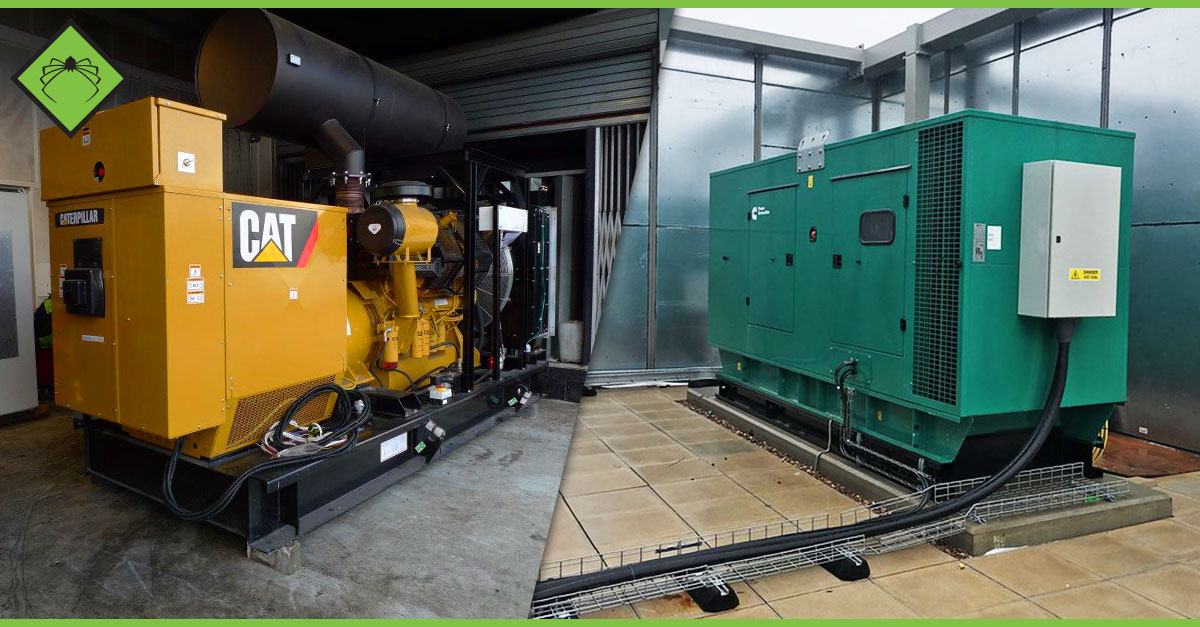
Regular maintenance is essential for guaranteeing ideal performance and longevity of a standby generator. Begin by checking how much oil the generator has, and replace the oil and filter according to the manufacturer's recommendations. Regularly check the air filter and change it when needed to ensure proper air circulation. It is crucial to check the battery and clean any corrosion on terminals to keep the starting power consistent.
Perform load tests regularly to verify the generator manages the capacity it is rated for. In addition, check that the exhaust is clear of blockages and leaks. Maintaining a clean, debris-free generator can prevent the unit from overheating and having other issues.
Lastly, schedule professional maintenance at least once a year to address any potential problems and conduct thorough checks. By using these maintenance practices can greatly extend the lifespan of a standby generator, offering reassurance when the power goes out.
FAQs
What is the Average Cost of Standby Generators?
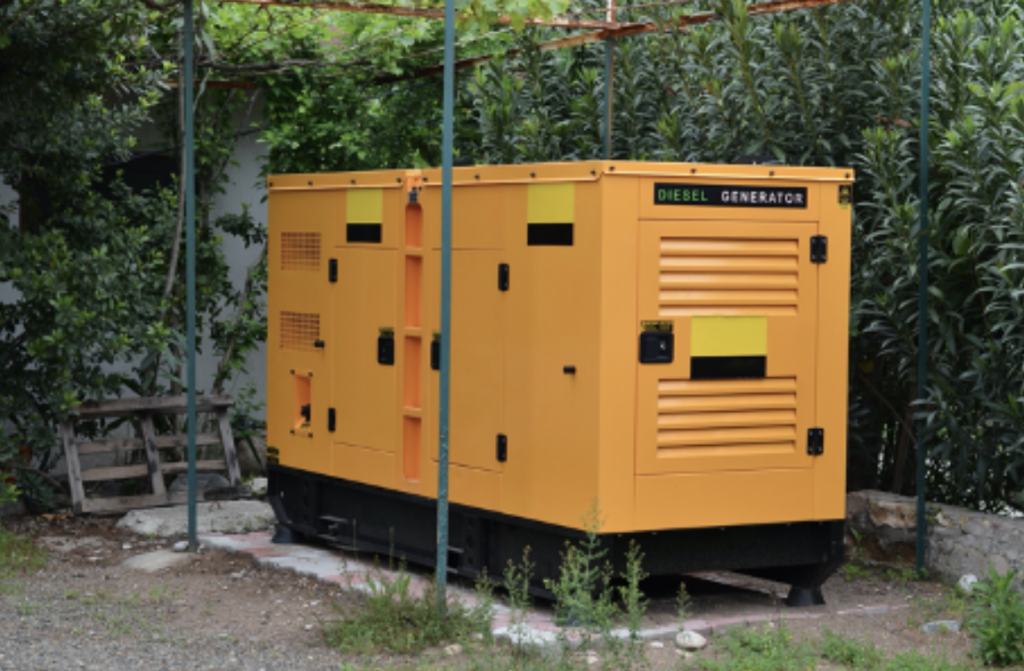
Backup generators usually range from $2,000 to $15,000, influenced by factors including the brand, power output, and complexity of installation. Other expenditures might cover permits, fuel tanks, and maintenance, influencing the overall investment required.
Can I Install a Standby Generator Myself?
Self-installation of a backup generator is feasible, but you must have knowledge of local regulations and electrical systems. Many recommend getting a contractor to guarantee safety, compliance, and ideal performance of the generator installation.
Which Types of Fuel Power Standby Generators Use?
Standby generators commonly run on energy sources such as gasoline, propane, natural gas, or diesel. Portland Standby Generators. The choice of fuel explore this topic often depends on availability, cost, and specific energy needs, which impacts the functioning and efficacy of the generator
Are There Any Permits Required for Installation?
Permits are frequently necessary for the installation of standby generators. The specific codes change based on the locale, so it is essential for homeowners or contractors to check with local governing bodies to ensure adherence with all relevant codes and requirements.
What is the Maximum Continuous Runtime Continuously?
A standby generator can run continuously for different lengths of time, usually between 24 and 48 hours, based on the load demands and fuel availability. Routine upkeep ensures optimal functioning and extended lifespan during extended operation periods.
Comments on “Finding Reliable Secure Power Flow Operation”